

It seems fitting that I write my review for Shiver during the first real snow of the winter. I remember cozying up with this Twilight competitor during winter break of 2009, settling into the cozy winter atmosphere both inside the book and outside my bedroom window. Of course, fifteen years can change one’s perception of a book drastically (look at all the other Twilight-era books I’ve reviewed), so I was interested in how this one, which I enjoyed the most among them, would fare this time.
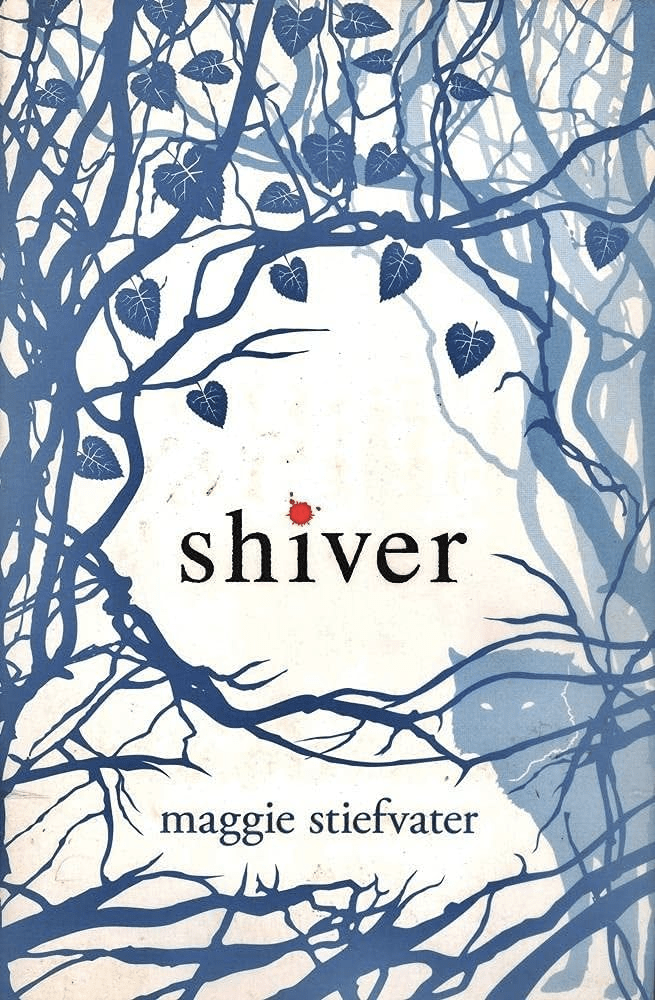
For years, 16-year-old Grace Brisbane has watched the wolves that roam the woods outside her Minnesota home. One wolf in particular with piercing yellow eyes has always kept her attention. What she doesn’t know is that, when summer comes, that wolf sheds his coat and becomes a human boy named Sam Roth. Sam and Grace have an instant connection, but it’s becoming harder and harder to resist the winter cold, and the change from man to wolf. If this is going to be Sam’s last year being able to change, he and Grace must race to find a way to keep each other.
I remember liking this book enough to seek out the sequel, but other supernatural romances took its place and I didn’t think about it much after. After all, Twilight‘s success encouraged a bumper crop of writers to outdo it, and I was seeing what other supernatural creatures could out-sexy vampires.
This book does feel like a 2009 Twilight competitor, but of all the books from this era that I’ve ripped apart, with two of the absolute horniest protagonists of the bunch, this one is the least cringey.
The characters are not particularly deep, as you might expect. Grace’s only real characteristics are that she is pragmatic and logical and has an obsession with the wolves. Sam’s the one with the tragic backstory and unresolved trauma, but it’s the way he reacts to that trauma that makes him stand out among other late 2000s YA heroes.
I vaguely recall an anonymous reader asking Maggie Stiefvater if guys like Sam actually exist because he is so good to Grace. True, he does make Grace a nice breakfast and he keeps a chaste distance from her when necessary, but I’d argue that Sam’s appeal comes from his vulnerability. His parents tried to drown him when they realized they couldn’t change his wolf nature, and Sam has seen friends come and go after they fully become wolves. He is lonely, scared, and sensitive, reacting more with melancholy or fear than anger.
Sam is pretty much the antithesis of Edward Cullen. He doesn’t brood, he doesn’t try to push Grace away, and again, reacts more with fear and caution. The only questionable thing he does is watching Grace closely enough to see her get out of bed, but that’s probably when he was a wolf and happened to be walking by. But I feel weird making excuses for that behavior, and it was kind of an unwritten rule for the supernatural creature to stalk the girl during this era, so let’s move on.
Another late 2000s YA trend that Twilight made popular: the parents being absolutely clueless idiots who parentify their kids.
In Grace’s case, her mom is a hare-brained artist who spends all her time in her studio, and her father works late. Either way, neither of them keep a consistent dinner schedule, or really any schedule for that matter. They pay zero attention to Grace and make empty promises to her. They seem almost aware that they are making their daughter be the grownup and take up their own responsibilities.
But more frustratingly, it’s because of Grace’s parents’ complete lack of awareness for their daughter that inadvertently protects Grace from danger. While it makes sense in the story, it’s also like, people, doing what you did to your daughter could have landed her in CPS and you guys in jail, or worse yet, Grace could have died from your idiotic negligence.
Like I said, their absence allows Grace and Sam to have chaste sleepovers and sneak around, but good Lord, these people are irritating.
When Grace’s parents first meet Sam, Grace’s mom is so captivated by Sam’s eyes that she invites him, alone, into her studio so she can paint him. It’s an uncomfortable scene, with Grace’s mom talking endlessly about just how lovely Sam’s eyes are, and she even asks Sam to play guitar for her when she learns he can play. I know this scene has to happen for what comes next, but it was pretty weird all the same.
I don’t think this bothered me when I first read Shiver (I guess I didn’t realize then how much of a problem parentification is), but it is beyond irritating now. I realize it makes it easier for Grace and Sam to sneak around, but still, no wonder Grace is the way she is; she’s had to make sure her parents don’t forget to eat dinner or wipe their own asses.
Anyway, the point is that Grace’s parents are idiots, and are probably the worst part of this book.
The last third of the book goes from zero to a hundred. A new werewolf sets their target on Grace, believing that she holds the cure for staying human through the winter, and Sam and his pack set out to protect her. But it does make a more original turn when Grace and her friends discover a potential cure for the wolves, and it becomes a slower, more melancholic ending, with some wolves succeeding with the cure and others failing.
And now for the most important aspect of the book: is the romance any good?
Like I already said, Sam may be a sensitive song-writing, guitar-playing emo, but he is not an abusive, volatile asshole like Edward. Grace may be a parentified vision of human beauty with few hobbies like Bella, but she has her clever moments. And they do have a sweet, gentle chemistry that works for those cold Minnesota nights peppered through the book.
But I’m not much of a fan of love at first sight. I know they’re teenagers, but two-hundred pages of them being horny for each other without buildup doesn’t have much substance.
Shiver has some good twists on werewolf lore, and the picture of sharing your warm bed on a cold night with a sweet werewolf is cute. I still think it’s the least cringiest in my nostalgic YA collection, with some heavy stakes, decent poignancy, and poetic moments sprinkled throughout. But its paper-thin romance and Twilight parallels probably won’t make it a regular read.

 The Library Key