

I’m not sure when crossovers were invented, but my goodness, are they fun! Whether they happen in movies, TV, or in books, it’s a mind-blowing experience to see different stories cross paths to make even more creative and epic adventures. I remember Nickelodeon and Disney Channel building up these huge crossover events between their biggest shows to mixed results, but still, the anticipation for these things was enormous.
I can’t say I’ve read a book that combines a single author’s most famous stories into one, like A Secret Princess does with Frances Hodgson Burnett’s books, which is a fun idea. The entertainment value stems from whether these different characters remain distinct from each other and create a fun dynamic, but that was almost too tall an order for this book.
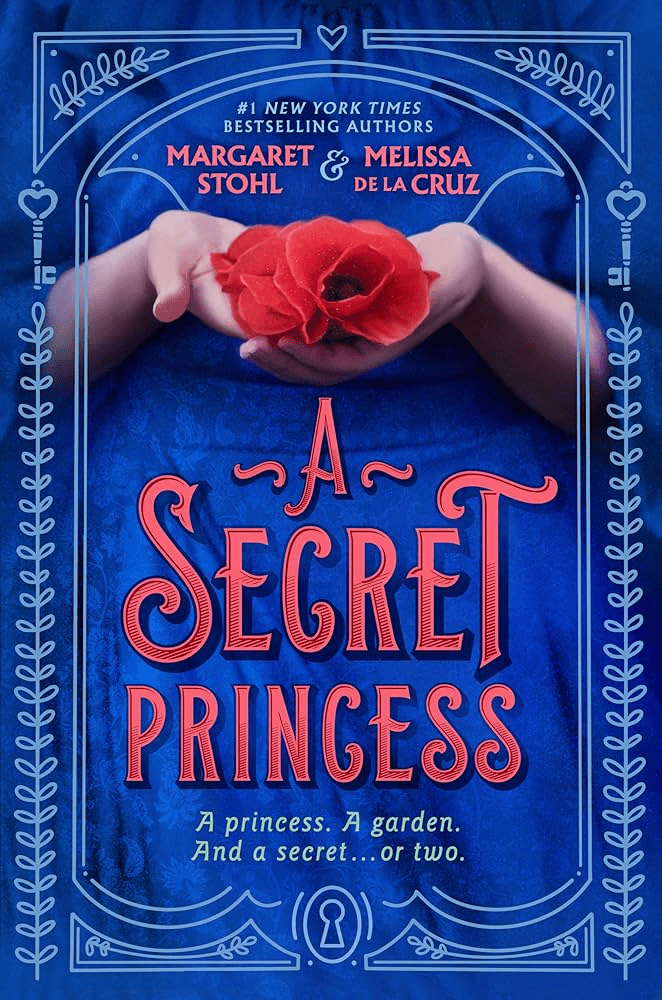
At Miss Minchin’s Seminary for Young Ladies and Gentlemen, Sara Crewe, Mary Lennox, and Cedric Errol meet and become best friends. They bond over their unusual childhoods abroad, as well as their disdain for their headmistress, Miss Minchin. But after Sara’s parents are killed in a volcano eruption in her homeland, she loses her place at the school and becomes a maid. But Mary and Cedric don’t intend to let Miss Minchin win, so they come up with a creative plan to win Sara back her fortune, and possibly freedom from the school. But even the best laid plans go awry, and the three find themselves on an unusual and frightening journey to real freedom…
Right off the bat, this book stretches the Little Princess backdrop to make Sara, Mary, and Cedric unique from their twentieth century origins. Sara is no longer an English girl growing up in India: she is now a Filipino-Spanish girl who grew up in the Philippines. Cedric has been turned into a near-paraplegic. As far as I remember, Mary is the only one who remains unchanged from her Secret Garden origins as a petulant English girl.
Basically, throw everything you remember about these characters’ original descriptions. It’s a little jarring at first, because some people might have very fixed ideas of these characters in their heads. But that’s okay as long as they at least feel like the original characters, right?
Well, Melissa de la Cruz has not been that great at keeping character dialogue distinct, and the same problem happens sometimes here too.
At their core, Sara is all sugar, Mary is all spice, and Cedric is somewhere in the middle. But sometimes, these personalities get tangled up in each other, and it’s hard to tell who’s speaking when. Mary’s speech is sometimes too polished, and Sara loses her temper more often than she should. Their personalities are more explained, rather than shown, and it almost keeps them at a distance from the reader.
That said, their voices do get a little more distinct as time passes, and you do, to some extent, enjoy watching these characters, but it was a bit of a rocky start for them.
Not having very distinct leads did not compel me through the story very easily at first. They all three have a formal, educated way of talking that sounded kind of unnatural coming from wild and petulant Mary, and could have been more polished coming from Sara.
The story does get a little more interesting once they leave the seminary, but you do have to push through a bit of a slow beginning to get there. Plus, the cast expands from there to include more characters from Burnett’s stories, and while you’ll also have to toss out your expectations about them, it’s still kind of fun watching them interact.
For example, Dickon Sowerby, Mary’s object of affection in The Secret Garden, becomes another character’s love interest. Cedric replaces Mary’s cousin Colin Craven as the sickly hideaway who finds hope and strength in the secret garden. Having basic knowledge of Burnett’s works makes this more interesting because you recognize these differences right away.
The second half is much, much stronger, obviously, but the way it all plays out is not altogether satisfactory either.
I won’t divulge spoilers, but I was not happy with the ending. If you’re going to write fan fiction about Burnett’s most beloved characters, characters that represent hope and light and childhood joy, don’t even present the possibility that they don’t all receive a happily ever after. If you’re going to write about an actual magical garden and have sweeping romances and tender moments, please at least have everyone get what they want. Harsh reality should not be the ending of a story wrought with hardship and darkness.
It’s a fun idea to throw Frances Hodgson Burnett’s three most famous characters together into one story, but there isn’t too much fun to be had with their differing personalities if they don’t, well, differ. The beginning is probably the worst part since it’s slow and the dialogue is weakest, but you will likely find at least a passably entertaining story afterwards. Maybe you’ll feel different about the ending, but I left feeling pretty disheartened and disappointed.

 The Library Key